
TheLonelyBrave G801 Nano Ceramic Glass Insulation Coating
G801 liquid coating for architectural glass. Match the application grade to your glazing, review supplier sample reports and request a project sample.
Product details
G801 for architectural glazing
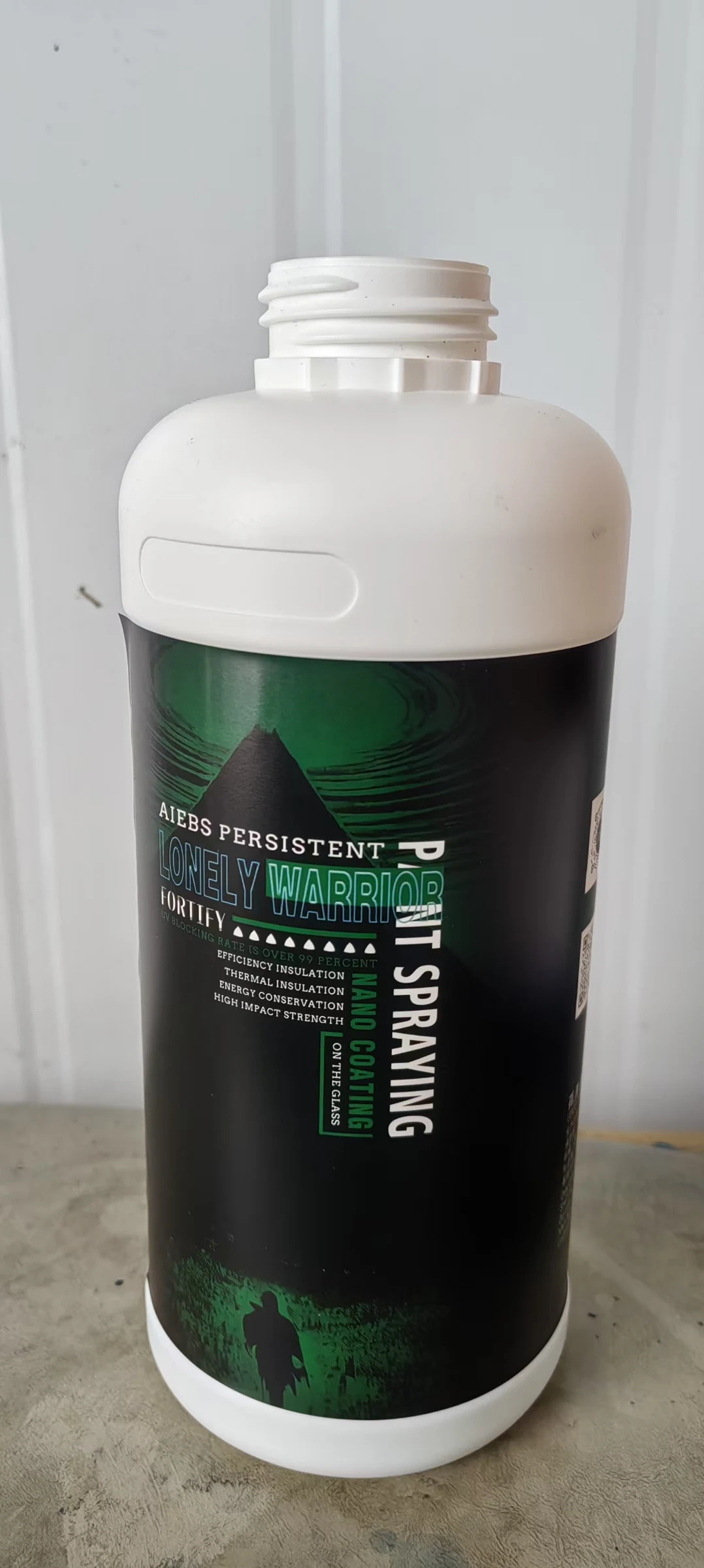
TheLonelyBrave G801 is a nano ceramic liquid glass insulation coating for architectural glazing and project evaluation. It forms a transparent functional layer on prepared glass. Choose the supplied formulation and application grade for the actual substrate; agree the specification before ordering.
Product and supply specification
| Field | Current supply information |
|---|---|
| Brand / model | TheLonelyBrave / G801 |
| Product category | Liquid glass insulation coating |
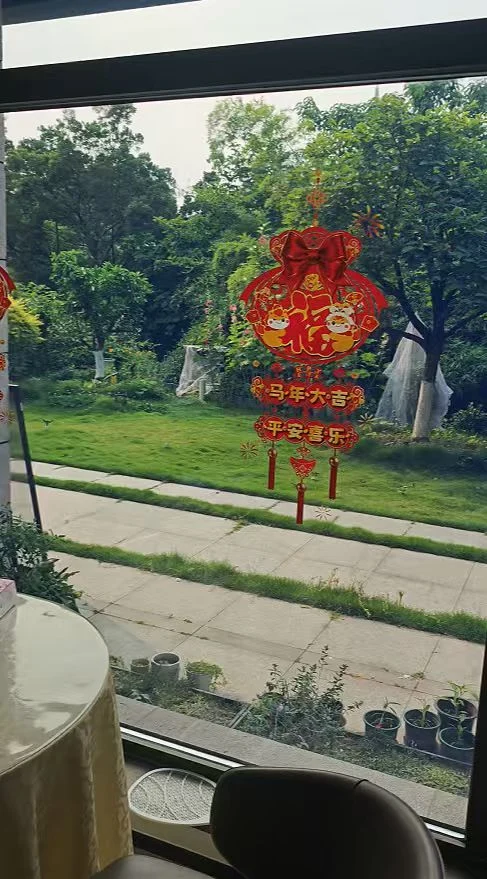
| Project focus | Residential windows, sunrooms, shopfronts and office glazing; substrate approval and a trial are required. |
| Application grades | Roller and spray formulations are supplied separately and are not interchangeable. Other methods need formulation-specific approval. |
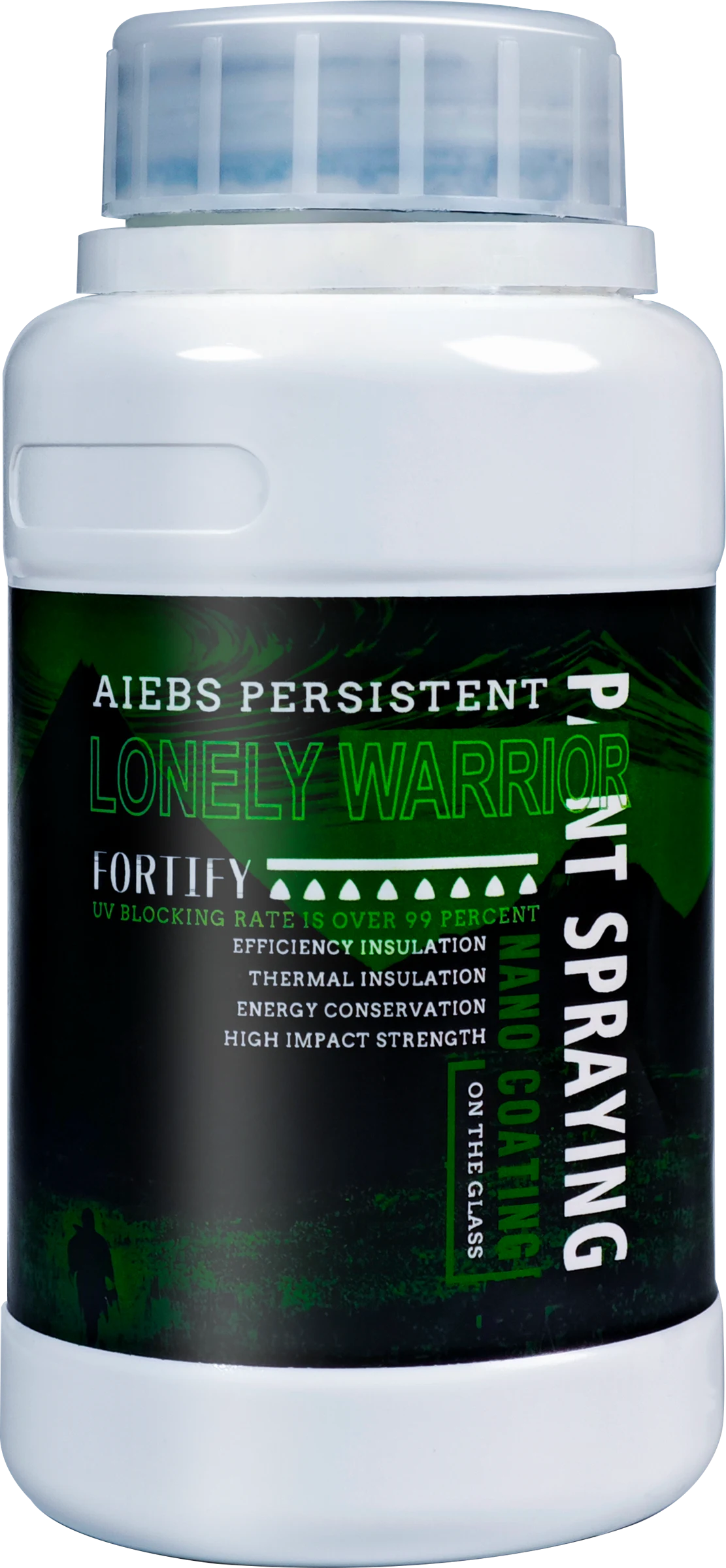
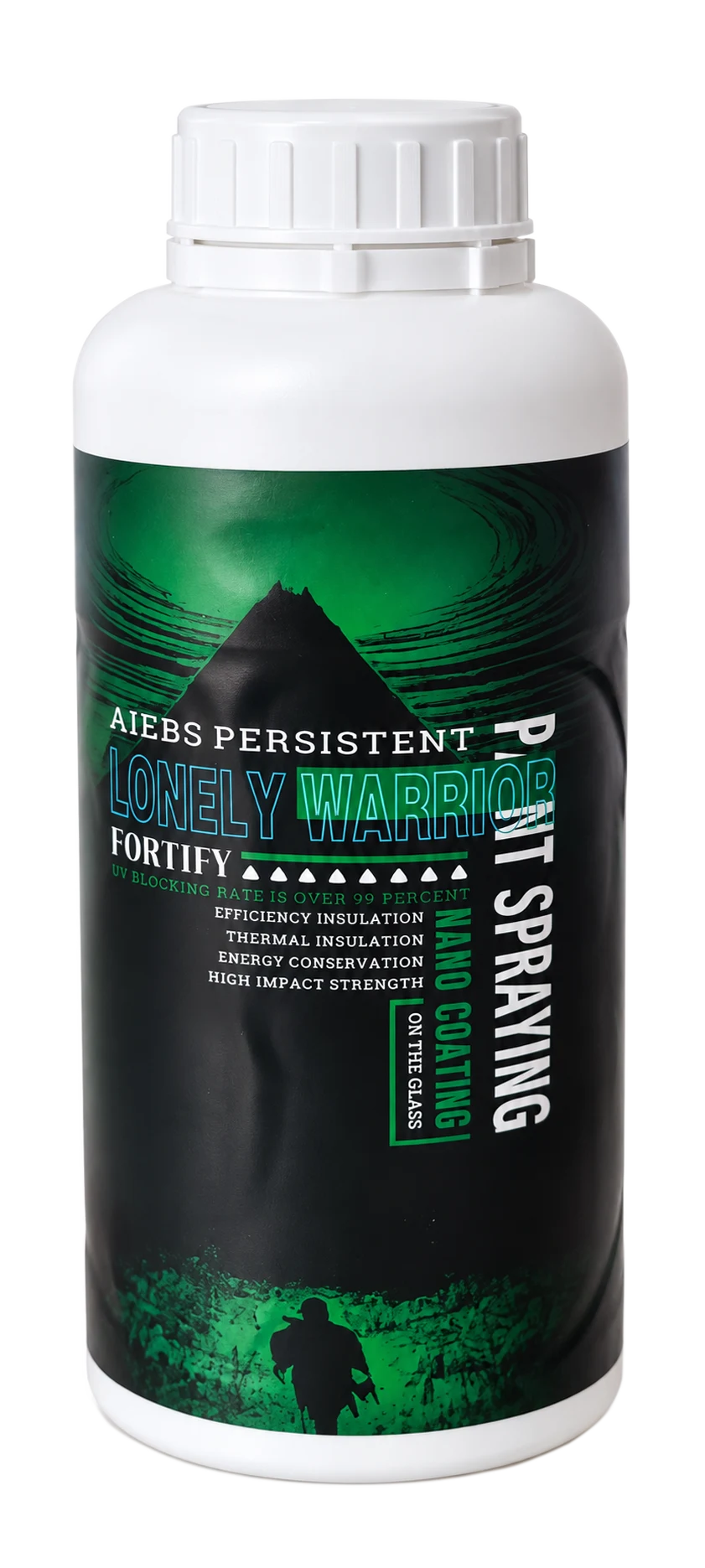
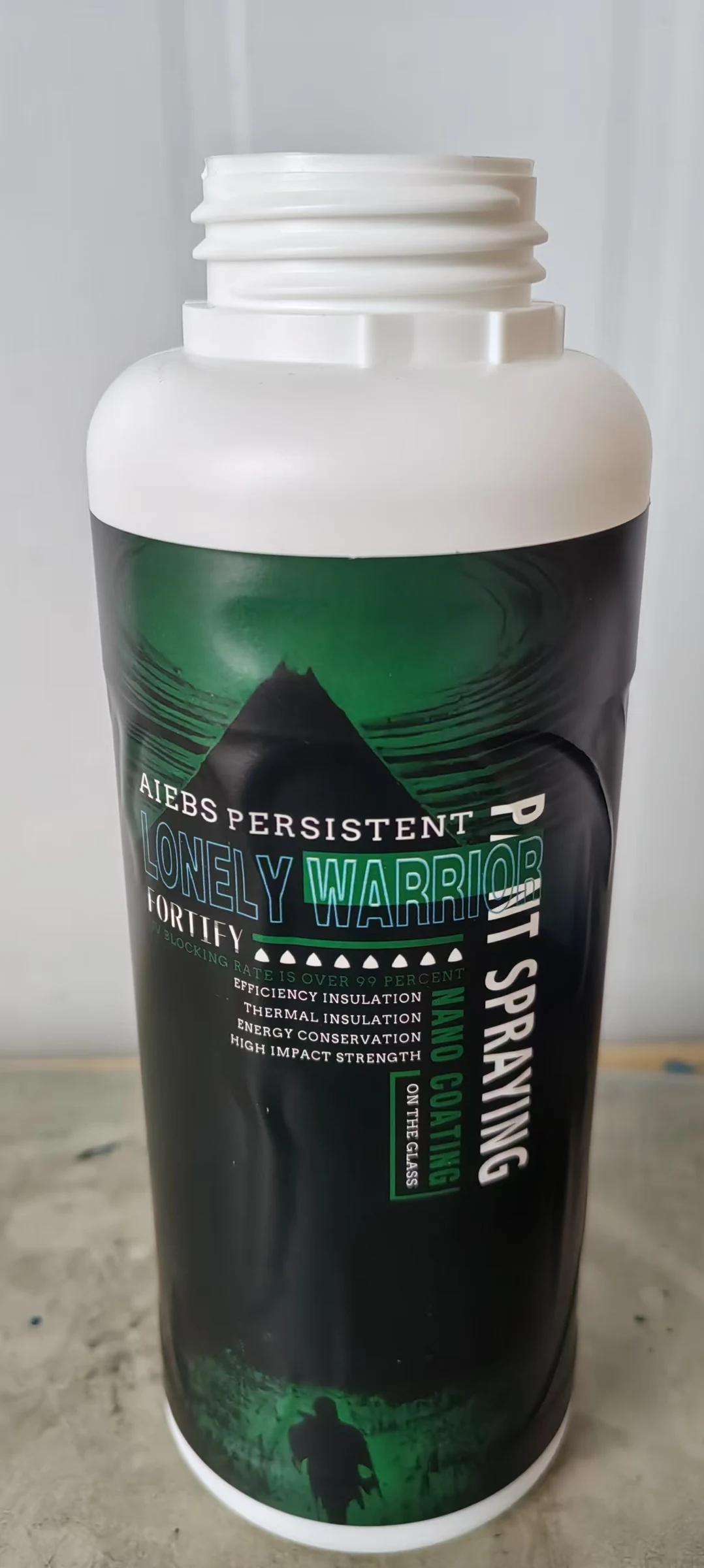
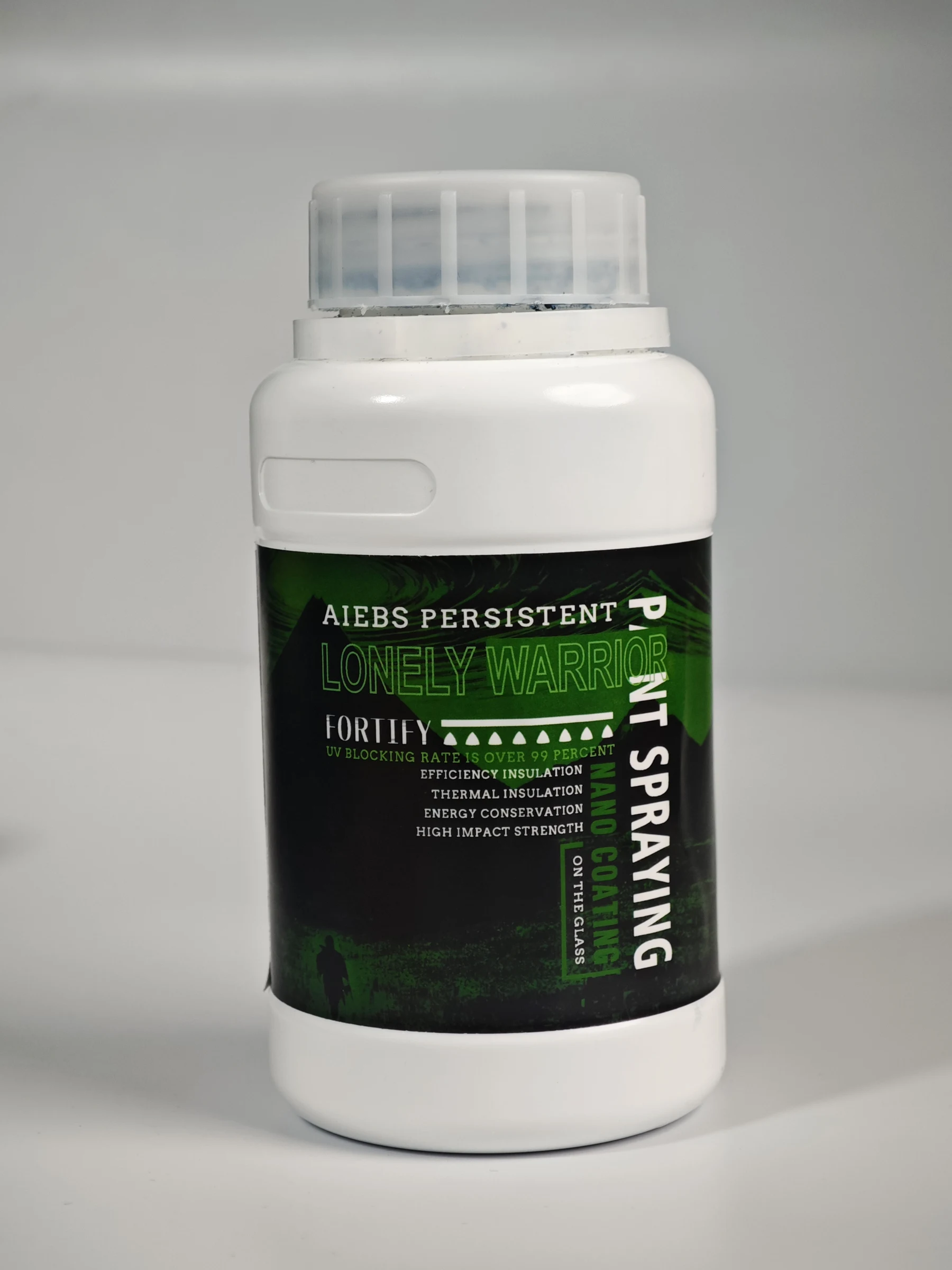
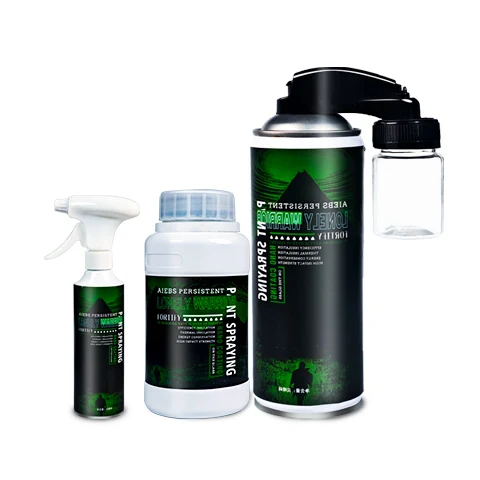
| Pack formats shown | 250 mL, 500 mL and 1,000 mL bottles appear in the supplied photographs. Confirm net fill and available packs in the quotation. |
| Order requirements | Confirm carrier system, component/preparation instructions, coverage, dry-film thickness, cure schedule, storage, MOQ and lead time for the supplied grade. |
| Warranty and expected life | Agree written warranty terms and applicable service conditions in the quotation. No fixed public duration is offered here. |
How solar control works
A functional coating changes how glazing transmits, absorbs and reflects solar radiation. Absorbed energy can warm the glass; some of that heat can still flow indoors. This is why low transmission at one wavelength is not the same as a low whole-glazing solar heat gain coefficient (SHGC), and why a warmer glass surface does not alone establish a cooler room. Evaluate the glazing system and its exposure rather than assuming a fixed room-temperature reduction.
Where to evaluate G801
- Sound residential window glass with safe access to the proposed coating surface.
- Sunroom glazing after checking glass construction, roof access and thermal-stress considerations.
- Shopfront glass with an agreed daytime and night-time appearance trial.
- Office glazing after confirming existing treatments, seals and building requirements.
- Small project trial panels with recorded substrate, batch, application and acceptance criteria.
Do not apply without further assessment
- Cracked, damaged or structurally unsuitable glass, or failed glazing seals.
- Unidentified Low-E surfaces, existing films or other surface treatments without compatibility approval.
- Insulated, laminated or specialist glass where the glass supplier has not approved the proposed treatment.
- Vehicle safety glazing or visibility-critical areas without a specific suitability and installation review.
- Wet, contaminated or condensation-covered surfaces, or areas without safe access and suitable weather protection.
Application: five stages
1. Prepare the surface
Identify the glass and any existing treatment. Clean and dry it, protect edges and surrounding materials, and prepare a small trial area. Confirm preparation requirements for the supplied grade.
2. Apply the matched formulation
Use the tools and application method specified for the delivered grade. Control the wet film and record the batch and site conditions. Do not interchange roller and spray formulations.
3. Allow initial drying
Protect fresh coating from rain, condensation, dust and contact. Use the drying window specified for the formulation and actual temperature and humidity.
4. Complete curing
Observe the full-curing schedule before cleaning or service. A touch-dry surface is not proof of full cure. Confirm the permitted environment and timing in the current application instructions.
5. Inspect and hand over
Compare the finish to the approved trial. Record any agreed measurements under comparable conditions and provide the approved cleaning and maintenance instructions.
Supplier sample reports: scope and conditions
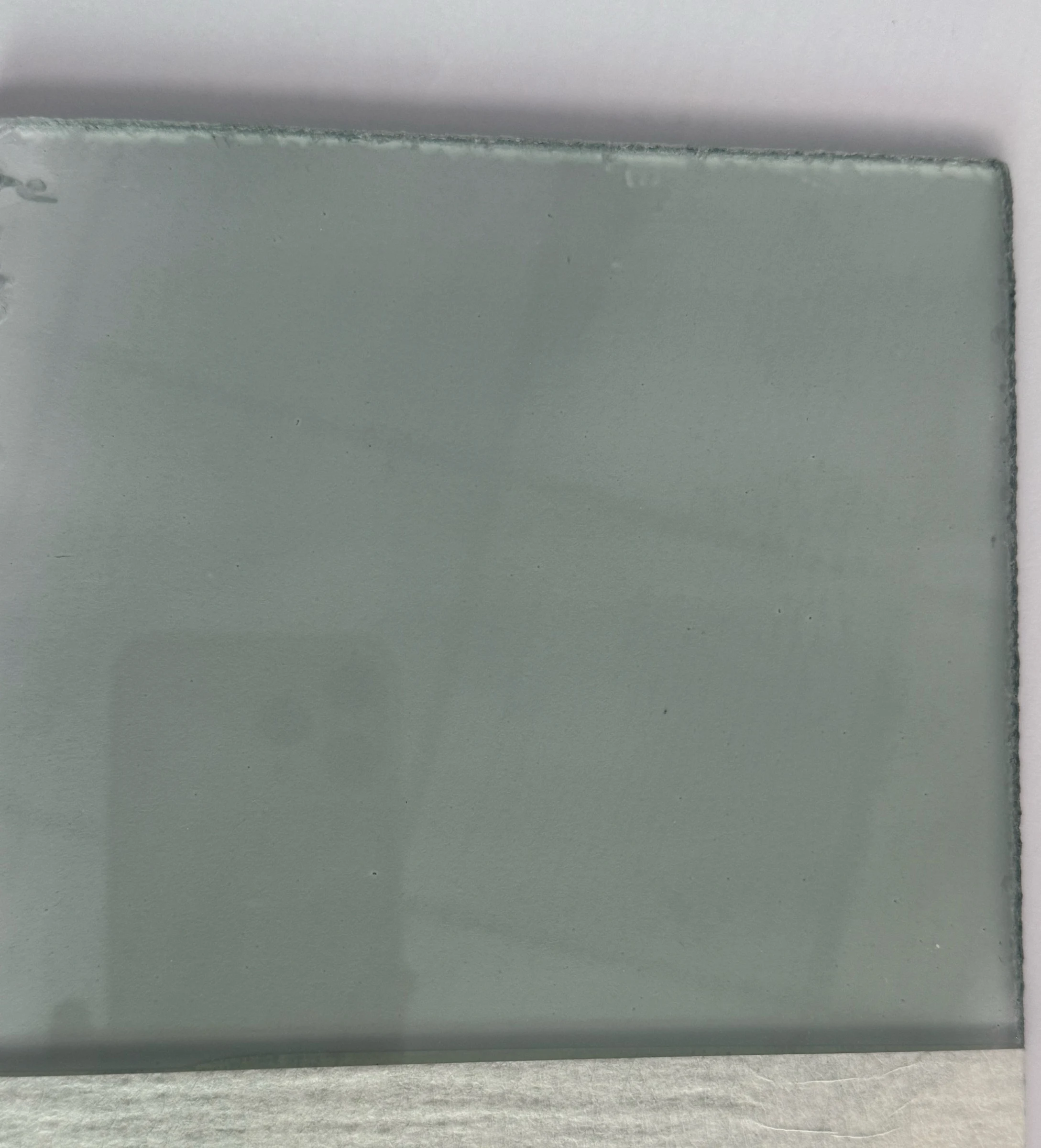
These reports identify the sample as ‘Glass insulation coating/liquid thermal film’, not G801 or G802. Results apply to the submitted samples. Confirm model, formulation and batch applicability before specifying a product.
| Measurement | Reported value | Specimen and test conditions |
|---|---|---|
| Visible-light transmittance (VLT) | 76.77% | Glass specimen 100 × 100 × 4.3 mm; 23.9°C, 48.6% RH. Dry-film thickness and coating cure age are not stated. ISO 9050:2003, 3.3 SHIN2608002834CM02_EN |
| UV transmittance | 0.40% | Glass specimen 100 × 100 × 4.3 mm; 23.9°C, 48.6% RH. Dry-film thickness and coating cure age are not stated. ISO 9050:2003, 3.6 SHIN2608002834CM02_EN |
| Solar transmittance | 29.5% | Glass specimen 100 × 100 × 4.3 mm; 23.9°C, 48.6% RH. Dry-film thickness and coating cure age are not stated. ASTM E903-20 SHIN2608002834CM02_EN |
| Solar absorptance | 66.2% | Glass specimen 100 × 100 × 4.3 mm; 23.9°C, 48.6% RH. Dry-film thickness and coating cure age are not stated. ASTM E903-20 SHIN2608002834CM02_EN |
| Near-infrared transmittance | 5.45% | Glass specimen 100 × 100 × 4.3 mm; 23.9°C, 48.6% RH. Dry-film thickness and coating cure age are not stated. JG/T 235-2014 Annex A SHIN2608002834CM02_EN |
| Haze | 0.5% | Sample A; specimen thickness 4.4713 mm; illuminant C; pretreatment 40 h at (23 ± 2)°C and (50 ± 5)% RH. Coating cure age is not stated. ASTM D1003-21 Procedure A SHIN2608002834CM02_EN |
| Pencil hardness | 3H | A — coated glass panels; pretreatment 16 h at (23 ± 2)°C and (50 ± 5)% RH. Coating cure age is not stated. ISO 15184:2020 SHMR260802229401 |
| Cross-cut adhesion | 0 | A — coated glass panels; pretreatment 16 h at (23 ± 2)°C and (50 ± 5)% RH. Coating cure age is not stated. ISO 2409:2020 SHMR260802229401 |
The near-infrared method is outside the report’s CNAS accredited scope. Transmittance is not reflectance, TSER or SHGC. The physical and optical reports must not be combined to infer one specimen’s coating thickness or curing history.
Performance wording visible on photographed packaging has not been verified for every offered formulation. Confirm the current label and agreed specification before ordering. These reports are not safety data sheets or evidence of a fixed energy saving, warranty or service life.
Samples, packaging and delivery
Share your glass type, area, application method, target appearance, quantity and destination. Request a formulation-matched safety data sheet and a quotation confirming pack size, net fill, kit contents, minimum quantity, lead time and any OEM/ODM requirements. Sample availability, charges and shipping are agreed before arrangement.
G801 questions
Can I apply the coating to Low-E, double-glazed or laminated glass?
Do not assume compatibility. Identify the glass build-up, exposed surface treatments, seals and manufacturer restrictions. Request a substrate review and trial, especially for Low-E surfaces and insulated glass units.
Is G801 applied by roller, spray or wiping?
Match the method to the supplied formulation. Roller and spray grades are supplied separately and are not interchangeable. A demonstration of one method does not authorize another method for the same batch; follow its current application instructions.
How long does the coating take to dry and cure?
Drying and full cure are different stages. Confirm both for the supplied grade, film thickness and site conditions before scheduling cleaning or handover. No universal curing time is published for all formulations.
What warranty and service life are offered?
Warranty is a written commercial commitment; expected service life depends on exposure and maintenance. A fixed public warranty or service-life figure has not been finalized. Confirm the applicable written terms in your quotation before ordering.
Can I request a glass coating sample?
Yes. Tell us the glass type, application method, target appearance and destination. We will discuss sample format, availability, charges and shipping before arranging a sample.
Application and demonstration videos
Demonstration results depend on the sample and setup. Follow the instructions for the supplied formulation.
Specifications
| Attributes | Value |
|---|---|
| Model |
G801 |
| Product form |
Liquid coating |
| Substrate |
Glass |
| Pack size |
250 mL format, 500 mL format, 1,000 mL format |
| Application grade |
Roller formulation on request, Spray formulation on request, Other methods require formulation-specific approval |
| Appearance |
Transparent coating; colour and finish confirmed by sample |
| Component system |
Confirm component and preparation requirements for the ordered formulation |